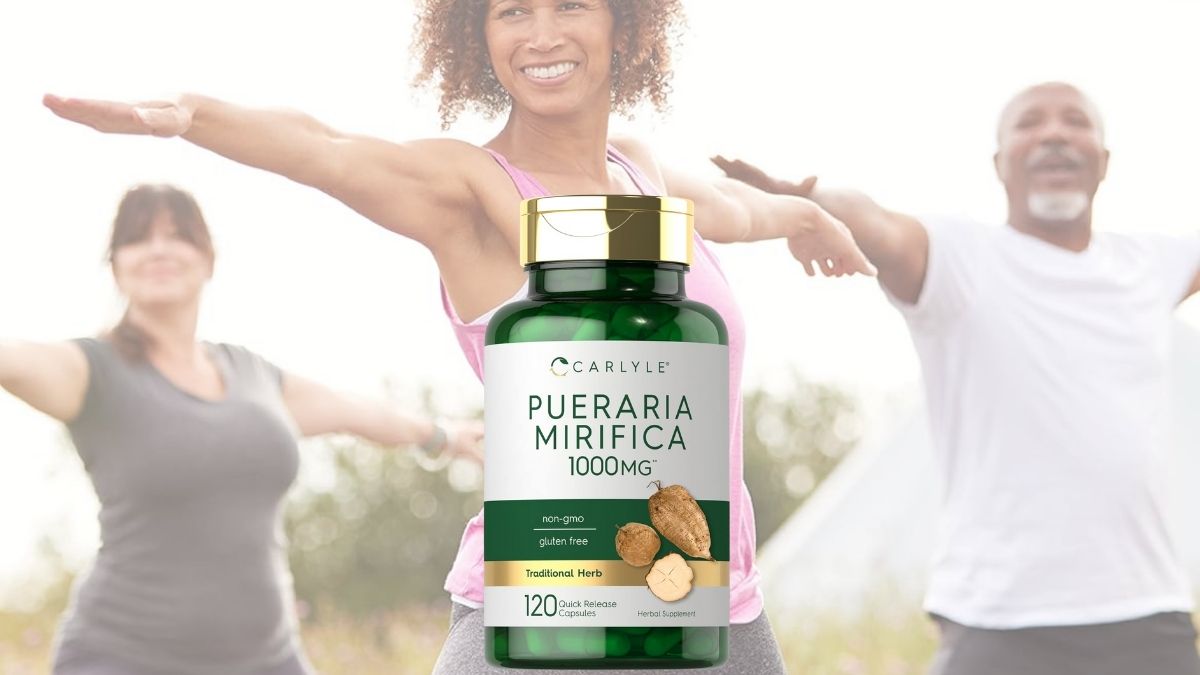
If you’re looking at Carlyle Pueraria Mirifica Capsules, you’re probably trying to solve a specific problem. It might be hot flashes, sleep disruptions, mood swings, or a general sense that your hormones feel “off.” This supplement is built around a single idea: plant-based phytoestrogens may gently influence estrogen pathways in the body.
That’s also where the nuance begins. Pueraria mirifica isn’t a casual daily add-on for everyone. Your age, health history, and medications matter a lot here.
What makes Carlyle’s formula stand out
Pueraria mirifica (also known as Kwao Krua in Thailand) is a root traditionally used in Thai wellness practices. Carlyle’s main differentiator is the high dose: 1000 mg per capsule. Many competing products sit in the 300–500 mg range, so Carlyle positions itself as a “one capsule a day” option.
The formula is also fairly minimal. You’re not dealing with a long list of extras, which can be helpful if you’re sensitive to common fillers.
What you’re actually taking:
- Pueraria mirifica root extract (1000 mg)
- A small set of supporting capsule ingredients (to help form and release the capsule)
How pueraria mirifica may work in your body
Pueraria mirifica is known for phytoestrogens, which are plant compounds that can interact with estrogen receptors. It contains isoflavones found in other plants, plus unique compounds often discussed in relation to its potency, like miroestrol and deoxymiroestrol.
Here’s the practical takeaway: phytoestrogens can act differently depending on your tissue type, baseline hormone levels, and receptor activity. That means two people can take the same capsule and report very different outcomes.
Benefits people usually look for
You’ll see pueraria mirifica used most often in conversations around menopause and midlife hormone shifts. Some users report fewer hot flashes, more stable mood, or better sleep over time.
It may also appeal to people who want a supplement with antioxidant potential. Antioxidants matter because oxidative stress is linked with cellular wear and tear, though that doesn’t automatically translate to visible results.
Common reasons people try it:
- Menopause symptom support (hot flashes, night sweats)
- Mood and sleep support during hormonal transitions
- General “hormone balance” goals
- Skin comfort (like dryness) during midlife changes
The reality check: what you should not expect
This supplement is often marketed with big promises. You’ll see claims related to dramatic physical changes or cosmetic transformations. The problem is that marketing often runs ahead of evidence, and your results may be subtle, inconsistent, or nonexistent.
A more grounded expectation is this: if it helps you, you may notice small improvements after several weeks, not overnight changes.
How to take it responsibly
Most users follow a simple routine: one capsule daily with food. Taking it with a meal can help reduce stomach upset, and a meal with some fat may support absorption of fat-soluble compounds.
You’ll usually need consistency to judge whether it’s doing anything. If you change three other habits at the same time, it gets hard to know what helped.
A simple approach that makes results easier to track:
- Take 1 capsule daily at the same time
- Track 1–2 symptoms only (example: hot flash frequency + sleep quality)
- Reassess after 6–8 weeks
Safety: who should avoid it
This is the part many guides rush through, but it’s the most important. Because pueraria mirifica can influence estrogen pathways, it may be risky for people with hormone-sensitive conditions.
You should be cautious if you have a history of:
- Hormone-sensitive cancers
- Endometriosis or uterine fibroids
- Unexplained vaginal bleeding
- Blood clot history or clotting disorders
You should also avoid it if you are pregnant, nursing, or under 18.
Potential interactions to take seriously
If you use any of the following, talk to a clinician before trying it:
- Hormone replacement therapy (HRT)
- Birth control
- Blood thinners
- Any supplement or medication aimed at hormone modulation
A balanced view: supportive vs skeptical perspectives
Different people interpret the same supplement in different ways. Here’s a clearer picture of the debate.
| Perspective | What it emphasizes | What it worries about |
| Supportive users | Plant-based option, simple daily routine, gradual symptom relief | Effects may be mild and slow |
| Clinically cautious view | Hormone pathway impact needs individual screening | Interactions, contraindications, lack of large-scale trials |
| “Wait and see” middle ground | Try only if you can track outcomes and stop if needed | Marketing claims can create unrealistic expectations |
Common objections you should think through
“If it’s natural, it must be safe.”
Natural doesn’t mean risk-free. Phytoestrogens can still affect sensitive conditions.
“Higher dose means better results.”
Not always. With hormone-active supplements, “more” can increase the chance of side effects without guaranteeing better outcomes.
“Reviews say it works fast.”
Some people feel changes quickly, but many don’t. Placebo effects and expectation can also shape early impressions.
How to decide if it fits you
If you’re generally healthy, not using hormone-related medications, and your goal is mild menopause support, you may feel comfortable exploring it cautiously. If you have any hormone-sensitive history, unexplained symptoms, or you’re already on hormones, this is a situation where medical input matters.
A good decision here is less about hype and more about fit. You’re choosing a supplement that may nudge estrogen activity, so you want your choice to be intentional, not impulsive.