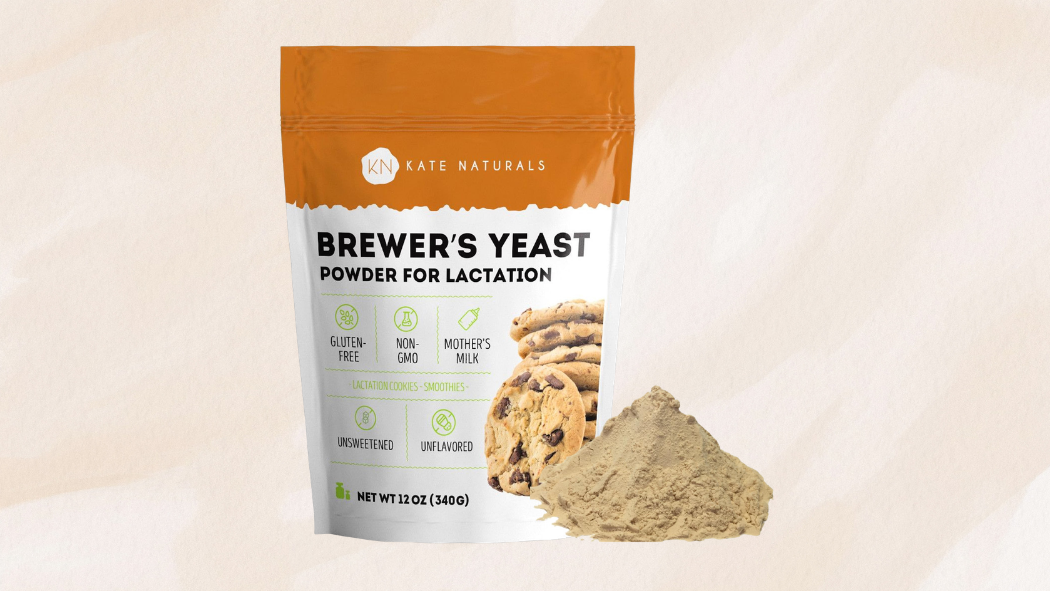
Struggling with milk production can make the search for effective, natural support feel urgent. Kate Naturals Brewers Yeast Powder has become a popular option among nursing mothers seeking lactation-friendly supplements. This debittered powder is often added to foods like oatmeal or smoothies and is valued for being both easy to incorporate and budget-friendly. The 12-ounce bag (model B07KNYN7F4) offers a practical supply that can last several weeks, making it an economical choice for those exploring dietary ways to support breastfeeding routines.
What Makes Kate Naturals Brewers Yeast Stand Out?
Kate Naturals Brewer’s Yeast Powder sets itself apart through its specially formulated debittering process. This crucial modification significantly reduces the typically strong, unpleasant taste that characterizes standard brewer’s yeast products, making it considerably more palatable for nursing mothers. The milder aroma and taste profile ensure that incorporating it into your daily routine becomes less of a challenge and more of a seamless addition.
The product maintains impressive health credentials with its gluten-free and Non-GMO certification. These qualities make it particularly suitable for health-conscious mothers who carefully monitor what enters their bodies, especially during the sensitive postpartum period. The absence of gluten also opens this supplement to mothers with celiac disease or gluten sensitivities who might otherwise need to avoid brewer’s yeast products.
Perhaps most importantly, Kate Naturals maintains a clean ingredient profile with no artificial additives, fillers, or sweeteners. The powder contains just pure, unflavored brewer’s yeast, eliminating unnecessary chemicals or ingredients that might compromise breast milk quality. This purity focus demonstrates the brand’s understanding of nursing mothers’ concerns.
The versatile powder form deserves special recognition for its exceptional integration capabilities. Unlike capsules or tablets that limit administration options, this powder easily incorporates into various recipes from cookies and brownies to smoothies and oatmeal. This flexibility allows mothers to find enjoyable ways to include it in their diet rather than forcing down yet another supplement.
While many brewer’s yeast products exist on the market, Kate Naturals has specifically formulated theirs with lactation support in mind. This targeted approach addresses the unique nutritional needs of nursing mothers rather than simply repurposing a general health supplement.
The Science Behind Brewer’s Yeast for Milk Production
Brewer’s yeast serves as an exceptional source of B vitamins, which play crucial roles in maternal health and potentially milk production. Particularly rich in B1 (thiamine), B2 (riboflavin), and B3 (niacin), these nutrients support energy metabolism – something nursing mothers desperately need with their increased caloric demands.
The nutritional profile extends beyond B vitamins to include important minerals such as chromium and selenium, along with protein content that supports overall maternal nutrition. These nutrients create a comprehensive package that addresses the heightened nutritional requirements during lactation, potentially creating favorable conditions for adequate milk supply.
Historically, brewer’s yeast has served as a traditional galactagogue (milk-enhancing substance) used for centuries by nursing mothers across various cultures. This longstanding traditional use suggests observed benefits that predate modern scientific methods, giving the supplement an established place in lactation support.
The mechanism behind potential milk supply enhancement may involve the nutritional profile’s effect on milk-producing hormones. B vitamins support proper function of the endocrine system, which regulates prolactin and oxytocin – the primary hormones responsible for milk production and letdown. The protein content may also provide necessary building blocks for milk synthesis.
While addressing the potential benefits, we must acknowledge that scientific evidence supporting brewer’s yeast specifically for milk production remains somewhat limited. Most support comes from anecdotal success stories and traditional practices rather than robust clinical trials. The lactation community generally views it as helpful, but individual results vary significantly based on underlying supply issues, timing of supplementation, and individual metabolic responses.
My Personal Experience Using This Powder
Upon receiving my Kate Naturals Brewer’s Yeast powder, I first noticed the thoughtful packaging – a resealable 12-ounce bag that kept the product fresh between uses. The powder itself appeared fine-grained with a slightly golden hue and possessed a distinctly milder aroma than other brewer’s yeast products I’ve encountered. While not entirely odorless, the debittering process had clearly tamed the typical pungency.
I incorporated the powder gradually into my daily routine, starting with a conservative one tablespoon amount. The first week, I added it to my morning oatmeal along with honey and cinnamon to mask any remaining yeast flavor. By the second week, I gained confidence and began incorporating it into smoothies and homemade lactation cookies, eventually working up to two tablespoons daily, divided between morning and afternoon servings.
The timeline of changes in my milk supply followed a gradual but noticeable pattern. During the first three days, I observed minimal difference, which aligned with what most resources suggest – galactagogues typically need time to take effect. Around day five, I began noticing fuller breasts before feedings and slightly more frequent let-downs during nursing sessions. By the two-week mark, my pumping output had increased by approximately 2-3 ounces per session compared to my pre-supplementation baseline.
Transparency about side effects matters, and I experienced mild bloating during the first few days of supplementation. This common initial reaction subsided after about a week as my body adjusted. I managed this by staying well-hydrated and temporarily reducing my dosage before building back up.
Measurably, my pumping output before using Kate Naturals averaged about 3.5 ounces per session. After three weeks of consistent use, my average increased to 5-6 ounces per session under similar conditions (time of day, time since last feeding, etc.). This represented a significant improvement that positively impacted my ability to maintain a comfortable freezer stash.
Delicious Lactation-Boosting Recipes I Created
Fool-Proof Lactation Cookies with Chocolate Chips
These cookies became my go-to recipe, perfectly balancing taste with lactation support:
- Preheat oven to 350°F
- Cream together 1 cup butter, 1 cup brown sugar, and ½ cup white sugar
- Beat in 2 eggs and 1 tablespoon vanilla
- In a separate bowl, combine 2 cups flour, 1 teaspoon baking soda, ½ teaspoon salt, 3 tablespoons Kate Naturals Brewer’s Yeast, 2 tablespoons ground flaxseed, and 3 cups old-fashioned oats
- Gradually mix dry ingredients into wet, then fold in 1½ cups chocolate chips
- Drop rounded tablespoons onto parchment-lined baking sheets
- Bake 10-12 minutes until edges turn golden
The magic in this recipe lies in the cinnamon and vanilla that completely mask the yeast flavor while the chocolate provides an indulgent treat during those exhausting nursing sessions.
Morning Power Smoothie
This breakfast option disguises the yeast flavor completely:
- 1 frozen banana
- 1 cup milk of choice
- 1 tablespoon peanut butter
- 1 tablespoon Kate Naturals Brewer’s Yeast
- 1 teaspoon honey
- ¼ teaspoon cinnamon
- Handful of ice
Blend until smooth and enjoy before your morning feeding session. The banana sweetness and peanut butter richness completely overtake any yeast flavor.
No-Bake Energy Bites
Perfect for middle-of-the-night feeding sessions when you need a quick, one-handed snack:
- Mix 1 cup rolled oats, ½ cup peanut butter, ⅓ cup honey, 2 tablespoons ground flaxseed, 2 tablespoons Kate Naturals Brewer’s Yeast, and ½ cup mini chocolate chips
- Chill mixture for 30 minutes
- Roll into tablespoon-sized balls
- Store in refrigerator for up to a week
These provide sustained energy during those long night feeding sessions without requiring actual cooking.
For moms who don’t have a sweet tooth, I developed savory options including brewer’s yeast in homemade hummus with extra lemon to cut the yeast flavor, and a cheese and herb savory muffin where the sharp cheddar perfectly balances the yeast undertones.
The key with any recipe is starting with a modest amount—typically 1 tablespoon—and adjusting based on taste preference and tolerance. The debittered formula makes this significantly easier than with standard brewer’s yeast, but gradual introduction still produces the best culinary results.
Your Lactation Support Journey
I started my breastfeeding journey feeling defeated and inadequate. Finding Kate Naturals Brewers Yeast Powder transformed not just my milk supply but my confidence as a mother. While no supplement works identically for everyone, this debittered powder offers a natural option worth trying before more drastic measures. The versatility of adding it to foods I already enjoy made it sustainable for my lifestyle, and the clean ingredient list gave me peace of mind about what was entering my body and, consequently, my baby’s milk. Whether you’re struggling with supply issues or simply want to maintain healthy production, this Amazon find might be the missing ingredient in your lactation support toolkit. Remember to pair any supplement with proper hydration, rest, and frequent nursing or pumping for best results.