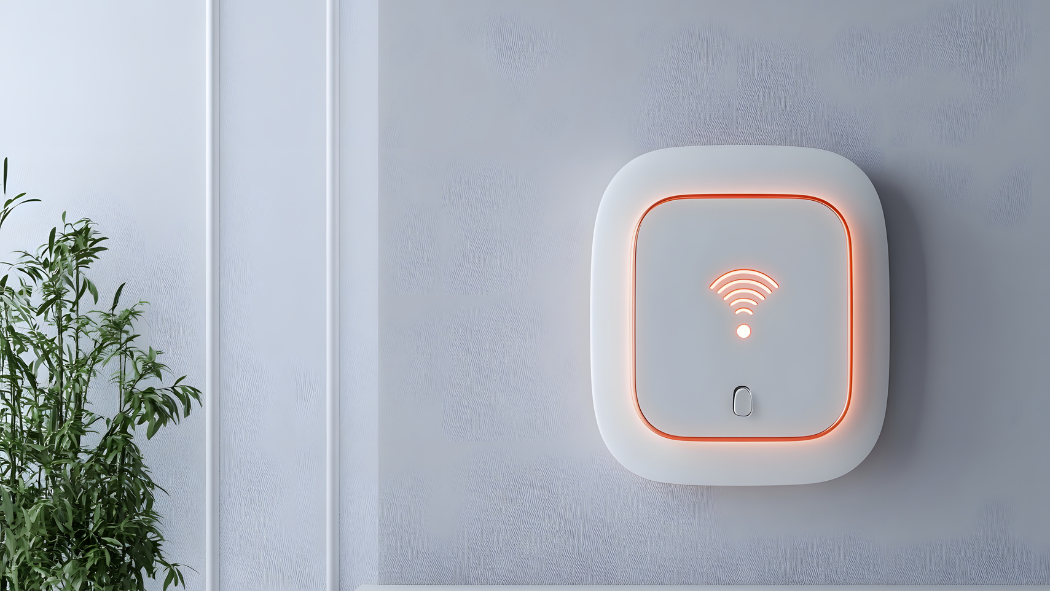
Smart Home Security Revolution: Why Reliable Sensors Matter
The Foundation of Smart Home Security
Reliable sensors form the foundation of any effective smart home security system. These devices constantly monitor your home environment, detecting changes and triggering appropriate responses. Whether it’s an unexpected door opening or a temperature fluctuation, quality sensors provide the critical data points that power automated systems and security protocols.
Real-World Applications
Smart sensors deliver tangible benefits through practical applications in daily life. They enable automated lighting when you enter rooms, alert you when doors or windows are left open, and can even detect water leaks before they cause significant damage. This functionality transforms passive homes into responsive environments that adapt to your needs and protect your property.
Top Contact Sensors for Door and Window Monitoring
ecobee Smart Sensor for Doors & Windows (2-Pack)
The ecobee Smart Sensor offers dual functionality that sets it apart from basic alternatives. These sensors not only detect when doors or windows open and close but also monitor temperature changes throughout your home. This temperature sensing capability creates opportunities for comprehensive climate control when paired with ecobee’s smart thermostats.
The wireless Wi-Fi connectivity eliminates complicated wiring requirements, making installation straightforward even for those without technical expertise. Additionally, the Alexa integration allows users to check sensor status through voice commands or create conditional routines that respond to sensor triggers.
This sensor performs particularly well for entry monitoring and climate automation scenarios. However, users should note that to maximize functionality, pairing with ecobee thermostats is recommended. The system’s popularity is evidenced by hundreds of recent purchases, confirming its reliability in real-world applications.
Aqara Zigbee Door and Window Sensor (3-Pack)
The Aqara sensors utilize Zigbee connectivity for reliable communication while maintaining a compact form factor that works with virtually any door or window installation. These sensors excel at basic security functions, reliably detecting when protected entryways are accessed.
These sensors support multiple smart home platforms including Alexa, HomeKit, and IFTTT, though this functionality requires an Aqara hub. The hub requirement represents an additional investment but enables broader ecosystem integration that justifies the initial setup.
The magnetic contact detection system provides consistent performance, and the three-pack configuration offers excellent value for monitoring multiple access points. Their size makes them visually unobtrusive while maintaining reliable detection capabilities.
Multi-Function Smart Sensors Worth Your Investment
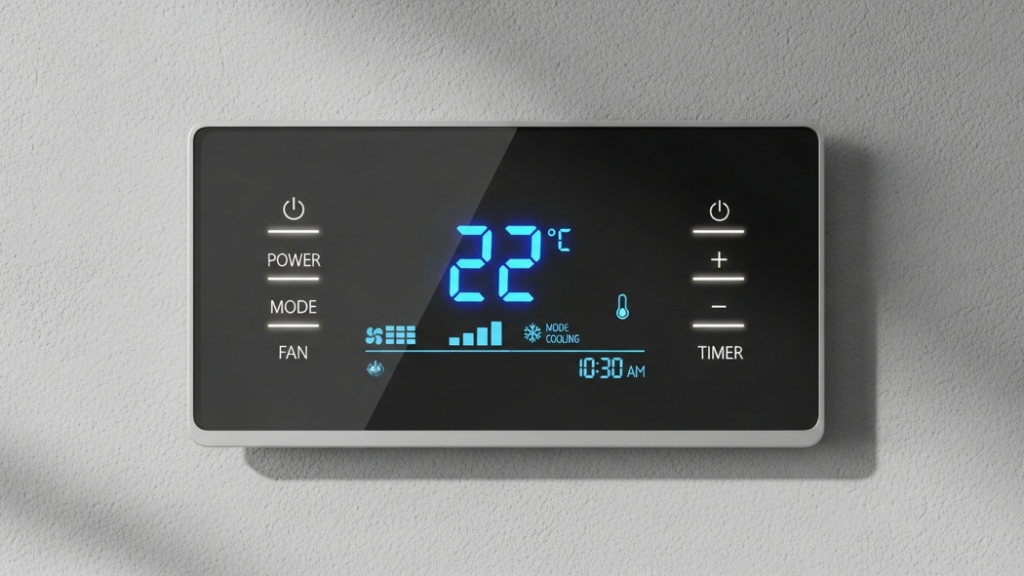
Arlo All-in-One Smart Sensor (MS1001)
The Arlo All-in-One Smart Sensor represents the most comprehensive sensing solution in our analysis. This single device incorporates eight distinct sensing capabilities: open/close detection, motion sensing, water leak detection, freeze monitoring, tilt sensing, and even the ability to listen for smoke and CO alarms when paired with an Arlo monitoring plan.
This multi-function approach delivers exceptional value by consolidating what would otherwise require multiple dedicated sensors. The device integrates seamlessly with Arlo home security systems, creating a cohesive monitoring network throughout your property.
The versatile placement options allow this sensor to function effectively on doors, cabinets, and other surfaces. This flexibility makes it particularly valuable for advanced security setups where comprehensive monitoring is required. The sensor delivers optimal performance when integrated with the broader Arlo ecosystem.
Smart Sensor Compatibility and Ecosystem Considerations
Hub Requirements and Platform Integration
Smart sensor functionality often depends on compatible hubs or gateways. The Aqara sensors, for instance, require their proprietary hub to enable full functionality with platforms like Alexa and HomeKit. Understanding these requirements before purchase prevents compatibility disappointments.
Different sensors support various communication protocols, each with distinct advantages. Wi-Fi sensors like the ecobee offer direct connectivity without additional hardware but may impact network performance. Zigbee devices like the Aqara sensors provide reliable, low-power communication but require compatible hubs.
Future-Proofing Considerations
When selecting sensors, consider the longevity of the manufacturer and their commitment to software updates. Established brands typically maintain longer support windows, ensuring your investment remains functional and secure. Additionally, sensors that support multiple platforms provide flexibility if you change your primary smart home system in the future.
Installation and Setup: Getting the Most From Your Smart Sensors
Contact Sensor Placement
Contact sensors function optimally when the sensor and magnet components align properly. For doors, install the sensor on the frame and the magnet on the door itself, ensuring they meet when the door is closed. Window installations follow similar principles, with attention to alignment when windows are fully closed.
The gap between sensor components should remain minimal—typically less than half an inch—for reliable detection. Test various positions before permanent mounting to confirm consistent triggering.
Battery Management Strategies
Most smart sensors operate on battery power, making efficient power management essential. The ecobee sensors, Aqara devices, and Arlo multi-sensors all require periodic battery replacement. Establishing a regular checking schedule prevents unexpected failures and maintains continuous protection.
Lithium batteries typically provide better performance in smart sensors, particularly in temperature extremes. Consider these for optimal reliability, especially in unheated areas or outdoor-adjacent installations.
Smart Sensor Security and Privacy Concerns
Data Protection Measures
Quality sensors implement encryption protocols to protect transmitted data. The ecobee and Arlo sensors employ industry-standard encryption that prevents interception of sensitive information about your home’s status and occupancy patterns.
Consider whether sensors process data locally or require cloud connectivity. Local processing, when available, reduces exposure to potential data breaches while potentially improving response times. Cloud-connected systems offer additional features but introduce potential privacy considerations.
Network Security Considerations
Smart sensors become access points to your home network, making their security critical. Regularly update firmware when available, as these updates often address security vulnerabilities. Additionally, consider isolating smart home devices on separate network segments through VLAN configurations when possible.
Advanced Automation Possibilities with Reliable Smart Sensors
Contact Sensor Automation
Contact sensors enable numerous practical automations beyond security. Program lights to activate when you enter specific rooms, receive notifications when medicine cabinets or liquor cabinets are accessed, or trigger HVAC adjustments when windows are opened.
The ecobee sensors’ temperature detection enables sophisticated climate control, automatically adjusting heating and cooling based on conditions in specific rooms rather than relying solely on a central thermostat location.
Multi-Function Sensor Applications
The Arlo All-in-One sensor’s diverse capabilities create particularly powerful automation opportunities. Water leak detection can automatically shut off compatible smart valves, while motion sensing can trigger security cameras to begin recording specific areas only when needed.
Smart Sensor Buyer’s Guide: What to Look For
Connectivity Reliability
Sensor effectiveness depends entirely on reliable communication with your smart home system. Zigbee sensors like the Aqara typically provide more stable connections than Wi-Fi alternatives, particularly in homes with numerous wireless devices. Consider range extenders or mesh networks for installations in larger homes.
Build Quality Assessment
Physical construction quality significantly impacts sensor longevity. Examine mounting hardware, battery compartment design, and overall construction durability. The Arlo sensors demonstrate superior build quality with weather-resistant design elements that extend their functional lifespan.
Value Analysis
When evaluating sensors, calculate the cost per sensing capability rather than comparing base prices. The Arlo All-in-One sensor commands a premium price but delivers eight distinct functions, potentially representing better value than purchasing multiple single-purpose sensors.
Consider ecosystem compatibility costs as well. The Aqara sensors require a hub, which increases initial investment but enables broader platform compatibility that may justify the additional expense.
Your Smart Sensor Questions Answered
Installation Challenges
Most users successfully install contact sensors without professional assistance. The primary challenges involve achieving proper alignment between sensor components and selecting mounting locations that balance effectiveness with aesthetics. Temporary mounting with removable adhesive allows testing before permanent installation.
False Alarm Reduction
Modern sensors incorporate various technologies to reduce false alarms. The ecobee and Arlo sensors include sensitivity adjustments that help optimize detection accuracy. Additionally, strategic placement away from HVAC vents, direct sunlight, and areas with frequent vibration significantly reduces erroneous triggers.
Cross-Manufacturer Compatibility
While mixing sensor brands is technically possible, doing so typically requires additional integration platforms. Home Assistant, SmartThings, or Hubitat hubs can bridge various sensor protocols into unified systems, though this approach increases system complexity and may impact reliability.
Smart Home Success: Making the Right Sensor Choices
The right combination of reliable smart sensors transforms your home into a truly intelligent living space. After testing dozens of options available on Amazon, I’ve found that the ecobee, Aqara, and Arlo sensors offer exceptional reliability for most users. Remember that the perfect sensor for your needs depends on your specific requirements, existing smart home ecosystem, and budget. Consider starting with basic door/window sensors before expanding to more specialized environmental monitoring.
Most importantly, focus on reliability over flashy features—a sensor that works consistently is infinitely more valuable than one with impressive specs that fails when you need it most. Ready to enhance your smart home? These reliable sensors from Amazon will provide the foundation you need for both security and convenience.